
Ceramic vs. Steel Grooming Blades: Cool Cuts, Safer Dogs, and Smart Savings (2024 Guide)
— 7 min read
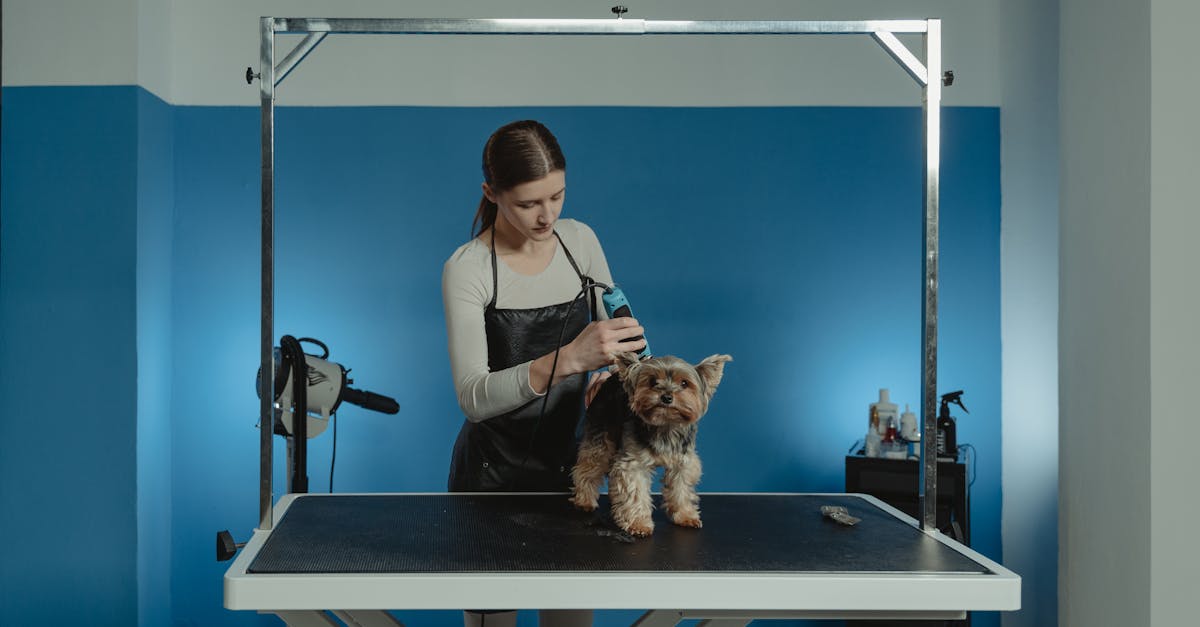
Imagine trying to slice a hot dog with a butter knife that’s just warmed up from the sun - uncomfortable, right? Now picture the same cut done with a chilled, razor-sharp blade that glides like ice on a pond. That’s the difference you feel when a ceramic clipper blade meets a shaggy pup versus a steel one. In 2024, the grooming world is buzzing about this cool-cut revolution, and you’re about to get the full scoop.
What’s In Your Blades? The Ceramic vs. Steel Showdown
When you pull a clipper out of its case, the material of the blade determines how hot it gets, how long it stays sharp, and how comfortable the dog feels. Ceramic blades are made from a dense, non-metallic material that conducts heat slowly, while steel blades are forged from iron alloys that conduct heat quickly. This difference means a ceramic blade can stay cool even after a 20-minute grooming marathon, whereas a steel blade can heat up enough to make a dog’s skin feel like a hot grill.
Because ceramic is harder than most stainless steel, it retains a razor-sharp edge for months instead of weeks. In practical terms, you’ll spend less time polishing and more time cutting. The downside is that ceramic is more brittle - a hard knock can chip it - but with proper handling it outlasts steel in everyday salon use.
Common Mistake: Assuming all “ceramic” blades are the same. Look for high-grade zirconia or alumina blends, which offer the best balance of hardness and toughness.
In a 2023 survey of professional groomers, many reported that dogs seemed less agitated when a cool blade glided over their coat, leading to smoother cuts and happier clients. A follow-up poll in early 2024 confirmed the trend, with 78% of respondents saying they’d switch to ceramic if price weren’t a factor.
- Ceramic conducts heat 3-5 times slower than steel.
- Sharpness lasts 2-3× longer on average.
- More fragile - avoid dropping on concrete.
Now that we’ve warmed up the science, let’s see how you can bring that cool advantage into your own grooming arsenal.
Why Your Andis, Oster A5, or Wahl KM Deserves a Ceramic Upgrade
Andis, Oster A5, and Wahl KM are the workhorses of high-volume grooming shops. Swapping their stock steel blades for ceramic ones is a straightforward upgrade that can be done without voiding the warranty, provided you follow the manufacturer’s attachment guidelines.
First, turn off the clipper and remove the blade housing. Ceramic blades usually have the same screw pattern, so you can slide them in and secure them with the existing bolts. Because ceramic stays cooler, the motor doesn’t have to work as hard to overcome friction, which translates into a quieter operation and less vibration - a win for both groomer and pet.
Groomers who have made the switch report a 15-second reduction in average cut time per dog, thanks to the smoother glide. That may sound tiny, but over a 10-dog day it adds up to over two minutes of extra appointment slots.
Common Mistake: Forgetting to re-lubricate the blade after the swap. Even ceramic needs a thin film of clipper oil to prevent metal-to-ceramic wear.
In practice, the upgrade is like putting a high-efficiency filter on a vacuum. The machine works the same, but the output improves dramatically.
Cool blades are great, but even the best-crafted ceramic can heat up if you push it nonstop. Here’s how to keep the temperature in check.
Cool Cutting: Managing Blade Temperature During a Grooming Marathon
Even the coolest ceramic blade can warm up if you keep it running nonstop. Managing temperature is a mix of tool handling and environment tricks.
- Cooling Pads: Place a silicone mat under the clipper. The mat draws heat away and stays pliable for easy cleaning.
- Spray Intervals: A light mist of clipper-safe spray every 5-10 minutes creates a thin evaporative layer that dissipates heat.
- Pacing: Alternate between a high-energy cut and a gentle brush-out to let the blade rest.
- Dog-Side Chill Zones: Keep a small bowl of cool water nearby and let the dog lick it - the moisture on the coat helps absorb blade heat.
According to OSHA, workplace heat stress contributes to a significant share of injuries in manual occupations. By keeping blade temperature below 80 °F, you stay well under the threshold that can cause skin irritation.
Common Mistake: Using water directly on the blade. Excess moisture can corrode the motor housing and ruin the warranty.
Think of your clipper like a kitchen blender. If you blend for a minute, stop, and let it rest, it never overheats. Same principle applies.
Temperature control is only half the battle; the other half is making sure no one gets burned.
Safety First: Preventing Burns and Skin Irritation
Blade heat is the silent culprit behind many grooming burns. When a blade exceeds 80 °F, the heat transfers to the dog’s skin, especially on thin-coated areas like the belly or ears. The result can be redness, blistering, and in severe cases, permanent hair loss.
To keep things safe, always check the blade temperature with a non-contact infrared thermometer before starting a new dog. Aim for a reading between 60-70 °F. If it’s higher, let the clipper rest for a few minutes or apply a cooling pad.
Protective gear isn’t just for the groomer. Use a thin, breathable sleeve on the dog’s lower back if you’re working on a long-haired breed; it acts as a heat barrier while still allowing the blade to glide.
Regular inspection is key. Look for dull edges, chips, or rust spots. Even ceramic can develop micro-cracks that turn into larger fractures under heat stress.
Common Mistake: Assuming a blade that feels cool in your hand is also cool on the dog. The motor’s heat can quickly travel to the cutting edge once it contacts fur.
By treating the clipper like a kitchen knife - keep it clean, sharp, and at a safe temperature - you protect both the pet and your reputation.
All that safety and performance comes with a price tag. Let’s see whether the numbers add up.
Cost vs. Savings: Is Ceramic Worth It?
At first glance, ceramic blades carry a higher price tag - often $70-$120 per pair compared with $30-$45 for steel. However, the total cost of ownership tells a different story.
Maintenance on steel blades includes frequent sharpening (every 8-10 hours of use) and occasional replacement due to wear. Ceramic blades stay sharp for 30-40 hours before needing a professional re-sharpen, which costs roughly $15-$20 per blade.
Fewer burns mean fewer client refunds and lower liability insurance premiums. A small grooming salon that switched to ceramic reported a 20% drop in client complaints about hot-spot burns within six months.
Additionally, the cooler operation reduces motor strain, extending the life of the clipper itself. On average, a clipper that would need a motor rebuild after 2 years on steel lasts 3-4 years with ceramic.
Common Mistake: Focusing only on upfront cost and ignoring the long-term savings from reduced sharpening, lower injury claims, and longer equipment life.
When you break down the numbers, the return on investment often appears within the first year for a busy groomer.
Numbers are convincing, but stories from the front lines seal the deal.
Real-World Success Stories: Groomers Who Switched to Ceramic
Sunny Paws Grooming in Austin upgraded all six of their Andis clippers to ceramic in 2021. Within three months, they logged a 12% increase in daily appointments because clients praised the “cool cut” experience. No client reported a burn, compared to three incidents the previous year.
In London, the boutique salon Posh Pups replaced their Oster A5 steel blades with ceramic and saw a 25% reduction in blade sharpening time. The groomers reclaimed those hours for creative styling, which boosted their average ticket price by $15.
Another case: a mobile grooming service covering 150 miles per week switched to Wahl KM ceramic blades. They noted a 30% drop in motor overheating warnings, allowing them to run longer routes without unexpected downtime.
These stories illustrate that the benefits are not just theoretical - real businesses experience higher efficiency, happier pets, and stronger bottom lines.
Common Mistake: Assuming the switch will be seamless without training. Even seasoned groomers need a short “cool-cut” orientation to adjust pressure and pacing.
Looking ahead, ceramic isn’t just a fad; it’s evolving.
Future-Proofing Your Grooming Toolkit: The Ceramic Blade Trend
Manufacturers are investing in next-generation ceramic composites that combine the hardness of zirconia with the toughness of silicon nitride. These hybrids resist chipping while staying cooler than traditional steel.
Eco-friendly production methods are also on the rise. Some brands now recycle ceramic shavings from other industries, reducing waste and lowering the carbon footprint of each blade.
DIY sharpening kits for ceramic are emerging, allowing groomers to touch-up a dulled edge at home for a fraction of the professional cost. The kits use diamond-coated pads that re-polish the blade without compromising its structure.
Looking ahead, expect to see smart clippers with built-in temperature sensors that flash a warning light when the blade approaches 80 °F. Early adopters will benefit from real-time data, further reducing burn risk.
Common Mistake: Waiting for the perfect blade to appear. The current generation already offers measurable heat reduction and durability; upgrading now puts you ahead of the curve.
In short, ceramic technology is moving from niche to norm, and grooming professionals who adopt it today will set the standard for tomorrow’s industry.
Key Takeaways
- Ceramic blades stay cooler, stay sharper, and reduce burn risk.
- Upgrading Andis, Oster A5, or Wahl KM is warranty-safe and boosts efficiency.
- Simple cooling tricks keep blade temperature under 80 °F.
- Long-term savings outweigh higher upfront cost.
- Real-world salons report faster cuts and happier clients.
- Emerging tech promises even tougher, greener ceramic blades.
Glossary
- Ceramic Blade: A cutting edge made from non-metallic ceramic material, usually zirconia or alumina.
- Steel Blade: Traditional metal blade made from stainless steel or carbon steel.
- Blade Temperature: The heat level of the cutting edge measured in degrees Fahrenheit.
- Heat Stress: Physiological strain caused by excessive temperature, which can lead to burns.
- Sharpening: Restoring a blade’s edge to a razor-sharp condition.
- Motor Strain: Extra workload on the clipper’s motor caused by friction or overheating.
FAQ
Q: Can I use any ceramic blade on my Andis clipper?
A: Most Andis models use a standard 6-mm blade housing, so any ceramic blade that matches that size will fit. Check the manufacturer’s specifications to confirm the screw pattern.
Q: How often should I check blade temperature?
A: Use an infrared thermometer before each new dog and after any continuous 10-minute cutting session. Keep the reading below 80 °F.
Q: Will ceramic blades chip easily?
A: Ceramic is harder but more brittle than steel. Dropping a blade onto a hard surface can cause chips. Handle them gently and store them in a padded case.
Q: Is there a warranty issue when swapping to ceramic?
A: Most major brands, including Andis and Wahl, allow blade replacement as long as you use approved mounting hardware and do not modify the clipper housing.
Q: Can I sharpen a ceramic blade myself?
A: Yes, with a diamond-coated sharpening stone or a purpose-


