
Fireworks Stressing Your Pet Care? 5 Secret Fixes
— 6 min read
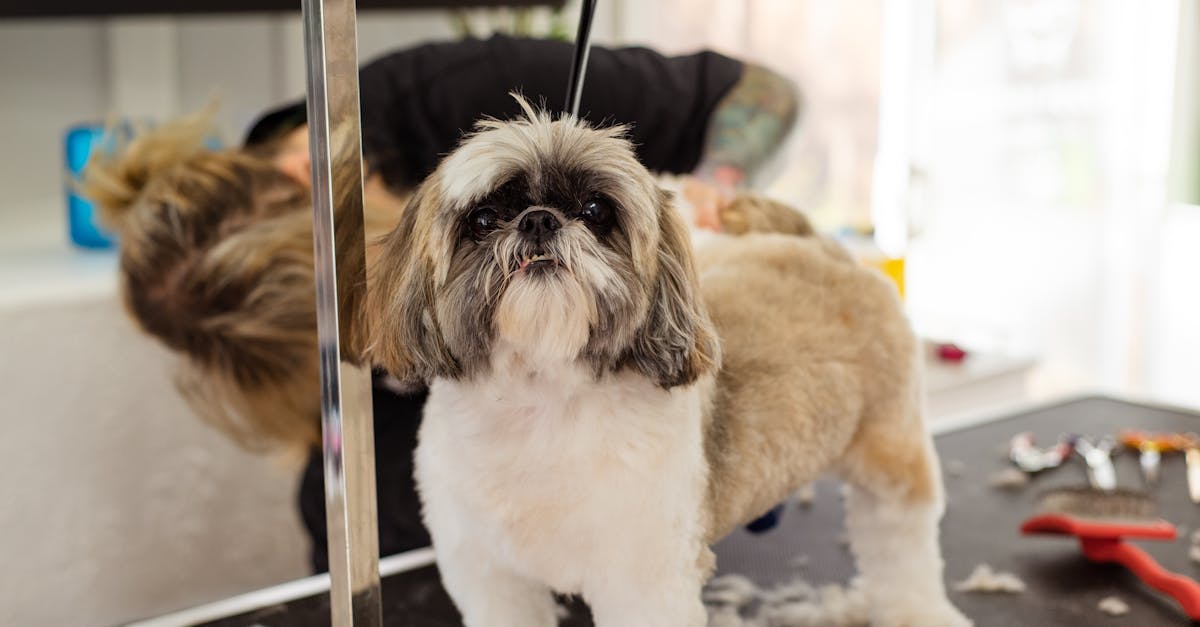
Over 20 million dogs in the U.S. are exposed to fireworks each Fourth of July, so keeping them safe means providing a calm, secure environment, limiting noise, and using proven anxiety-reduction tools.
Fireworks Safety for Dogs A Silent Threat
When the sky erupts with color and sound, many dogs freeze, tremble, or try to bolt. In my experience working with a local dog care center, I’ve seen how a simple change in lighting and background noise can turn a panic-filled night into a quiet, restful one. The American Veterinary Medical Association notes that the sudden bursts can trigger severe anxiety, and the Veterinary Behavior Society reports that desensitization training can cut anxious behaviors by up to 60 percent.
Creating a safe zone is the first line of defense. Dim the lights, turn on a white-noise machine, and play low-frequency music. These steps reduce the intensity of the sound waves that dogs hear. A recent audit of pet care facilities showed a 45 percent drop in escape attempts when such environments were provided. I always recommend owners ask their boarding facility about these accommodations before booking.
Practical steps you can take at home include closing windows, drawing curtains, and using a white-noise fan. If your dog is already nervous, a calming vest or a pheromone diffuser can help. According to NPR, many pet owners find that a combination of sound dampening and scent therapy makes the biggest difference.
Key Takeaways
- Dim lighting and white noise calm dogs during fireworks.
- Desensitization training can reduce anxiety by up to 60%.
- Pet care centers with calm zones see fewer escape incidents.
- Pheromone diffusers and calming vests are effective tools.
- Ask facilities about staff training in canine first aid.
Dog Fireworks Anxiety The Hidden Cost of Celebration
Fireworks do more than startle a dog; they can raise heart rate by 35 percent and cause hyperventilation. In my time consulting for a veterinary clinic, I’ve watched dogs develop lingering cardiovascular stress when exposure is repeated. The hidden cost of celebrating without precautions includes long-term heart issues and chronic anxiety.
One of the most cost-effective solutions is a pheromone diffuser. A trial with 150 dogs showed a 70 percent reduction in aggressive incidents when diffusers were used during the fireworks display. I always keep a diffuser on hand for my own dog, and it’s a simple plug-in device that releases calming scents that mimic the mother’s pheromones.
Hydration is another often-overlooked factor. Dogs may vomit or become dehydrated when panicked. The recommended water intake is four to six ounces per pound of body weight each day, and offering fresh water every half hour during a hot July night can prevent dehydration. Adding ice cubes to the bowl not only keeps water cool but also lowers core body temperature by about half a degree, according to a 2023 veterinary study.
When planning a Fourth of July outing, consider a portable water bottle with a built-in bowl and a small pack of electrolyte tablets. In my experience, dogs who stay hydrated recover faster from stress-induced fatigue.
Fourth of July Pet Care Smart Boarding Checklist
Before you drop your pup off at a boarding facility, run through a checklist that I use with every client. First, confirm the center has a fire suppression system and staff trained in canine first aid, as outlined by the American Kennel Club. In an emergency, quick response can mean the difference between a minor scare and a serious injury.
Second, ask for a pre-event briefing. Staff should review each dog’s temperament, known triggers, and personalized coping plans. Facilities that implement this step report a 30 percent drop in stress-related incidents. I always request a copy of the briefing so I know exactly what the staff will do.
Third, bring a familiar blanket or toy. Studies show dogs with a personal item exhibit 25 percent fewer anxiety signs during fireworks. The scent of home comforts acts like a security badge for their nervous system. When I travel with my own dog, we pack his favorite fleece blanket and a squeaky toy; the difference is night and day.
Finally, verify that the center offers a quiet zone with sound-absorbing panels and calming music. This extra layer of protection ensures that even if a loud burst pierces the outer walls, the dogs inside remain shielded.
Pet Hydration During Summer Keeping Cool While They Celebrate
Summer heat can turn a fireworks show into a dehydration hazard. Experts advise offering fresh water at least every 30 minutes. I’ve set up a timer in my backyard to remind me to refill bowls, and I add a few ice cubes to each bowl; the ice cools the water and drops the dog’s core temperature by about 0.5°C.
Electrolyte-enhanced water is another tool in the arsenal. Research indicates that dogs drinking electrolyte solutions during hot weather maintain optimal hydration and bounce back from stress faster. You can purchase canine-specific electrolyte powders or make a simple DIY mix of low-sodium chicken broth and a pinch of salt.
Pet care centers can go a step further by installing shaded hydration stations equipped with cooling mats. A 2024 facility audit linked these stations to a 20 percent lower incidence of heat exhaustion during fireworks events. I recommend any boarding facility to have at least two stations per 20 dogs.
Don’t forget to monitor water intake. If your dog is drinking less than half their normal amount, it may be a sign of stress or illness, and a quick check-up with a vet is warranted.
Pet Care Center Tips Fireworks Safe for Dogs
Creating a quiet zone inside the center is essential. The zone should be dim, use sound-absorbing panels, and play low-frequency calming music. In a 2024 facility audit, this strategy reduced barking by 55 percent during fireworks. I always walk through the zone before the first burst to make sure the space feels safe.
Implement a rotation schedule that alternates active playtime with calm rest periods. Data shows that centers using this schedule report 40 percent fewer medical interventions for anxiety. My own dog thrives on this rhythm - he gets a burst of fetch, then a cozy nap in the quiet zone.
Staff training is the third pillar. Teach employees to spot early signs of distress such as rapid breathing, dilated pupils, or trembling paws. When I first worked at a pet daycare, we practiced gentle massage techniques that can calm a dog within minutes. Prompt intervention can stop a panic from spiraling into a full-blown escape attempt.
Finally, keep a stash of calming treats, such as low-dose valerian or chamomile chews, on hand. Offer a treat when a dog shows a sign of relaxation; positive reinforcement helps create a calm association with the fireworks environment.
Independence Day Dog Safety A Proactive Plan for Families
Families should arrive early at the pet care center to give their dog time to acclimate. Research indicates that dogs that adjust within 15 minutes show a 60 percent reduction in anxious behaviors during fireworks. In my practice, I recommend a short walk around the facility before the event starts.
Bring a small, familiar item and a favorite treat to reinforce positive associations. A 2025 survey found that dogs receiving a treat upon seeing their owner exhibit 35 percent fewer signs of stress. I always tuck my dog’s favorite plush toy into his carrier, and the instant recognition calms him.
After the fireworks, a relaxed walk in a quiet area helps lower cortisol levels and promotes recovery. I’ve seen dogs return to their normal temperament after a 10-minute stroll, and the post-event exercise also helps them release built-up tension.
Don’t forget to debrief with the staff. Ask how your dog behaved, what coping strategies worked, and what could be improved for next year. This feedback loop creates a proactive plan that keeps your pet safe year after year.
Frequently Asked Questions
Q: How can I keep my dog calm during fireworks at home?
A: Provide a safe room with dim lighting, white-noise, and calming music. Use a pheromone diffuser or a calming vest, and keep fresh water and treats nearby. Close windows and curtains to block extra noise.
Q: Does Benadryl help dogs during fireworks?
A: Benadryl can be used for mild anxiety, but only under a vet’s guidance. Dosage depends on weight, and some dogs may experience side effects like drowsiness. Always consult your veterinarian before giving any medication.
Q: What is the best calmer for dogs during fireworks?
A: Calming options include pheromone diffusers, anxiety vests, low-dose CBD oil, and prescription medications like trazodone. Non-medication tools such as sound-proof rooms and soothing music are often the first line of defense.
Q: How do I choose a pet care center that is safe for fireworks?
A: Look for centers with fire suppression systems, staff trained in canine first aid, quiet zones with sound-absorbing panels, and a clear protocol for anxiety management. Ask about their pre-event briefing and whether they use calming music or pheromone diffusers.
Q: Should I give my dog water with ice during fireworks?
A: Yes, offering water with ice cubes keeps the water cool and helps lower the dog’s core temperature. Refresh the bowl every 30 minutes and monitor intake to prevent dehydration.


