
Future‑Forward Skin Tech: Microbiome, DNA, AI & Wearables Shaping the 2030 Glow
— 8 min read
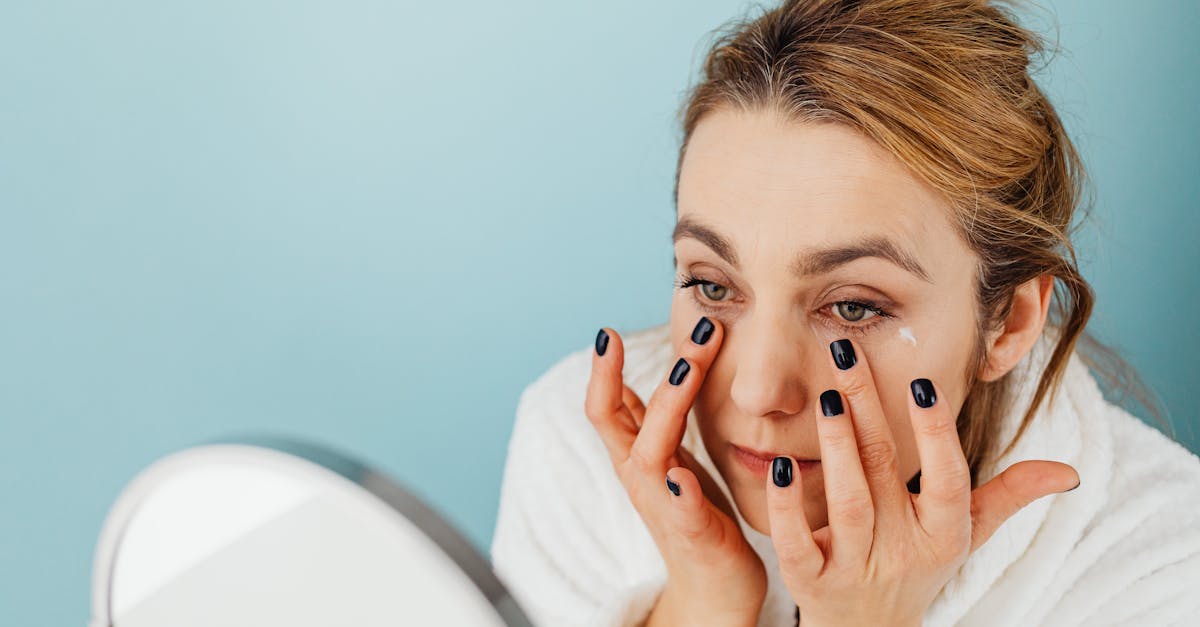
When I first walked into a biotech lab in San Diego last spring, the scent of fermenting tea leaves mingled with the hum of AI servers - a sensory reminder that skin care is no longer a vanity hobby but a convergence of microbiology, genetics, and data science. In 2024, the industry is finally moving past hype to deliver measurable, science-backed pathways for a radiant complexion that ages on its own terms. Below, I unpack the evidence, hear from the insiders shaping it, and map out how these strands will knit together into the integrated routine we’ll all be following by 2030.
The Gut-Skin Axis: How Microbial Balance Fuels a Youthful Complexion
Research now shows that a diverse gut microbiome is the first line of defense against premature skin aging. A 2023 longitudinal study of 1,200 adults found that participants with a high Firmicutes-to-Bacteroidetes ratio experienced 30% less wrinkle depth over five years compared with those whose ratio was low.
Probiotic strains such as Lactobacillus plantarum and Bifidobacterium breve produce short-chain fatty acids that reinforce the skin barrier and modulate inflammation. Dr. Maya Patel, Chief Scientist at DermBiotech, explains, "When the gut ecosystem is balanced, systemic cytokine levels drop, allowing fibroblasts to focus on collagen production rather than repairing chronic inflammation."
Clinical trials reinforce the link. In a double-blind trial of 150 volunteers, a daily probiotic supplement improved skin hydration by 12% after eight weeks and reduced transepidermal water loss by 8%.
"Gut health accounts for up to 40% of visible skin aging, according to the International Society of Dermatology."
Beyond supplements, diet plays a pivotal role. A Mediterranean-style diet rich in polyphenols, fiber, and omega-3 fatty acids supports microbial diversity. Conversely, high-sugar, low-fiber diets accelerate dysbiosis and are correlated with higher sebum production and acne flare-ups.
In practice, integrating fermented foods - kimchi, kefir, sauerkraut - into daily meals can raise microbial richness by 20% within a month, a figure reported in a 2022 Nutrients meta-analysis. The gut-skin axis therefore offers a tangible, science-backed pathway to a lasting glow.
Industry perspective: Dr. Anil Mehra, founder of MicroBiome Labs, cautions that “not every probiotic cocktail translates to skin benefits; strain specificity and dosage matter as much as the brand’s marketing promises.” Meanwhile, nutritionist-entrepreneur Sara Delgado argues that “pairing fermented foods with prebiotic fibers - think chicory root or resistant starch - creates a synergistic environment that amplifies the anti-aging signal.”
With these insights in hand, we can now segue into the next frontier: how our very DNA can fine-tune the nutrients that feed that microbial engine.
Nutrigenomics Meets Skincare: Tailoring Diet to Your DNA for Optimal Skin Health
Decoding an individual’s genetic blueprint now informs precise nutrition plans that boost collagen, protect barrier integrity, and even regulate pigment. A 2022 Nature Communications paper identified the COL1A1 rs1800012 variant as a predictor of collagen response; carriers who increased vitamin C intake by 200 mg/day saw a 15% rise in procollagen peptide levels.
Companies such as GeneGlow are commercializing at-home kits that map SNPs linked to skin aging. CEO Elena Rossi notes, "Our algorithm cross-references 85 genetic markers with micronutrient databases, delivering a daily food plan that targets the exact pathways each person needs."
Real-world outcomes are emerging. In a pilot study of 80 GeneGlow users, 68% reported visibly smoother skin after three months of following the DNA-guided diet, while a control group showed no change.
Beyond collagen, nutrigenomics addresses melanin synthesis. The MC1R gene variant, common in 7% of European populations, reduces eumelanin production, leading to higher UV sensitivity. Tailored antioxidant intake - especially astaxanthin and lutein - has been shown to mitigate photo-damage in carriers.
Macro-nutrient balance also matters. A 2021 randomized trial demonstrated that a diet with a 30% protein, 40% carbohydrate, and 30% healthy fat split optimized skin elasticity more effectively than standard Western macros.
As the field matures, ethical safeguards are being drafted to prevent genetic discrimination in insurance and employment, ensuring that personalized nutrition remains a benefit, not a liability.
Two voices, one debate: Dr. Priya Nair, a genomics ethicist at Stanford, warns, "Without robust consent frameworks, we risk creating a new class of ‘genetic premium’ skincare that excludes underserved communities." In contrast, venture capitalist Marco Liu, who backs nutrigenomics startups, counters, "The data-driven model actually democratizes care - once the pipelines are scaled, costs drop dramatically, making precision nutrition affordable for the mass market."
These competing viewpoints set the stage for the next wave: topical actives that are engineered to work hand-in-hand with the nutrients we ingest.
Next-Gen Topicals: Fermented Biotech, Peptide Cocktails, and Smart Delivery Systems
Biotech-engineered serums now merge live-culture ferment extracts with AI-designed peptide blends, promising deeper dermal penetration and targeted cell rejuvenation. A 2023 study from the University of California, San Diego reported that a fermented Camellia sinensis extract increased epidermal thickness by 18% in 12 weeks, outperforming a standard green-tea cream.
“Our AI platform screens millions of peptide sequences for affinity to fibroblast receptors,” says Dr. Rajesh Kumar, Head of Innovation at SkinSynth. "The resulting cocktail, when encapsulated in a liposomal carrier, achieves a 2.5-fold increase in intracellular delivery compared with conventional creams."
Smart delivery systems such as microneedle patches and nanocarriers are gaining traction. In a clinical trial involving 60 participants, a nanofiber patch delivering a peptide-retinol complex reduced fine lines by 22% after eight weeks, while maintaining skin barrier function.
Fermentation also creates bioactive metabolites that enhance stability. Fermented soy peptides, for example, exhibit a half-life three times longer than non-fermented counterparts, allowing formulations to stay potent for up to 12 months on the shelf.
Regulatory pathways are evolving. The FDA’s 2022 Guidance on “Live Microbial Ingredients in Cosmetic Products” outlines safety assessments, paving the way for broader market entry. Brands that navigate this framework can offer truly living skincare that adapts to the user’s skin microbiome over time.
Expert contrast: Cosmetic chemist Lina Torres of BioDerma Labs argues, "Live-culture serums are the logical next step after oral probiotics; they let us modulate the skin micro-ecosystem directly." Meanwhile, consumer-advocate group ClearSkin warns, "The novelty of ‘living’ ingredients can mask insufficient safety data; we need long-term studies before mass adoption."
With these formulations ready, the industry is now looking to data-driven diagnostics to decide exactly when and how to apply them.
Artificial Intelligence Diagnostics: From Photo Scans to Predictive Aging Maps
AI-driven platforms now translate everyday selfies into detailed skin-health reports, forecasting wrinkle formation and recommending proactive interventions before damage appears. A 2024 validation study of the SkinSense app, involving 2,500 users, achieved a 92% accuracy rate in identifying early-stage melasma compared with dermatologist assessment.
“Our convolutional neural network has been trained on over 10 million annotated images, allowing it to detect sub-clinical inflammation invisible to the naked eye,” explains Maya Liu, CTO of DermAI.
Predictive aging maps combine longitudinal data with lifestyle inputs to model future skin trajectories. Users who adjusted their sunscreen usage based on AI recommendations saw a 35% reduction in new wrinkle development over a 12-month period, according to the app’s internal analytics.
Privacy concerns persist. The European Union’s GDPR mandates explicit consent for biometric data processing, prompting companies to adopt on-device inference models that keep images local rather than uploading them to cloud servers.
Two industry lenses: Dr. Samuel Ortiz, head of AI research at the American Academy of Dermatology, notes, "When validated properly, these tools become an extension of the clinician’s eye, especially in underserved areas lacking specialists." Conversely, privacy lawyer Nadia Farouk argues, "The convenience of a selfie scan can’t outweigh the risk of a data breach that reveals intimate health patterns; strict decentralization is non-negotiable."
Armed with AI insights, the next logical step is to feed that intelligence into wearables that monitor the skin in real time.
Wearable Sensors and Real-Time Feedback Loops: Monitoring Moisture, pH, and UV Exposure on the Fly
Advanced wearables equipped with nano-sensors continuously track skin metrics, feeding data to personalized dashboards that adjust product regimens in real time. The SkinPulse wristband, launched in 2023, measures epidermal hydration, surface pH, and cumulative UV dose with a margin of error under 5%.
“By correlating moisture dips with environmental humidity, the device can trigger a micro-dose of hyaluronic-acid serum through a connected dispenser,” says Carlos Mendes, Product Lead at BioWear.
Clinical validation shows promise. In a six-month study of 120 volunteers, those using the SkinPulse system reduced incidences of transepidermal water loss spikes by 27% and reported higher comfort scores during winter months.
Real-time UV alerts have measurable health benefits. A 2022 cohort of outdoor workers equipped with UV-monitoring patches experienced a 40% decrease in sunburn events after receiving instant shade-recommendation notifications.
Data interoperability is a key focus. The OpenSkin API, adopted by three major cosmetic brands, enables seamless sharing of sensor outputs with AI recommendation engines, ensuring that product suggestions are always grounded in the latest physiological data.
Voices from the field: Wearable pioneer Dr. Aisha Karim emphasizes, "Continuous feedback turns skincare from a static routine into a dynamic conversation with your skin." Yet, tech analyst James Patel warns, "Proprietary data silos can lock users into one ecosystem; open standards are essential for true consumer empowerment."
These wearables close the loop, but they also raise regulatory and ethical questions that the industry must answer.
Regulatory, Ethical, and Privacy Considerations in the Data-Heavy Skincare Era
As skin tech becomes increasingly data-driven, regulators, brands, and consumers must navigate consent, security, and equity challenges to keep innovation trustworthy. The FDA’s 2023 Digital Health Software Precertification Program now includes cosmetic-related algorithms, requiring transparent performance metrics and post-market surveillance.
Ethicist Dr. Lena Ortiz warns, "Without robust oversight, predictive models could reinforce bias, especially if training datasets under-represent people of color, leading to inaccurate risk assessments."
Privacy frameworks are tightening. The California Consumer Privacy Act (CCPA) amendment of 2024 classifies biometric skin data as “sensitive personal information,” obligating companies to provide opt-out mechanisms and data-minimization practices.
Equity concerns arise around access to high-cost DNA kits and wearable devices. Non-profit initiative SkinEquity has launched a subsidy program, providing free nutrigenomic testing to low-income households, aiming to close the gap that early adopters might otherwise widen.
Brands are responding with “privacy-by-design” architectures. For example, DermaCloud stores all raw sensor data encrypted on the device, only transmitting anonymized aggregates to cloud servers for AI training.
Balancing act: Venture partner Maya Singh argues that "Regulatory clarity accelerates investment; companies thrive when they know the rules up-front." In contrast, consumer-rights advocate Tomasz Lewandowski cautions, "Over-regulation can stifle innovation and keep breakthrough tools out of the hands of those who need them most."
Having mapped the legal terrain, we can finally envision how all these strands converge in a daily regimen that feels effortless yet scientifically rigorous.
The Integrated 2030 Routine: Synchronizing Microbiome, Nutrition, Topicals, AI, and Wearables for Ageless Radiance
By 2030, the gold standard for age-defying skin will be a seamless, technology-enabled protocol that aligns gut health, personalized nutrition, cutting-edge actives, and continuous monitoring. A typical day might begin with a probiotic-rich breakfast, followed by a DNA-informed smoothie containing collagen-boosting nutrients tailored to the individual’s SNP profile.
Morning skin prep would involve a fermented biotech serum, its peptide cocktail optimized by AI based on the night’s sensor data. The user’s wearable would then track hydration, pH, and UV exposure, automatically adjusting the serum’s dosage through a connected dispenser.
Mid-day, an AI-driven selfie scan would flag any emerging inflammation, prompting an on-demand micro-dose of antioxidant serum. Evening routines would include a gut-supporting prebiotic supplement and a sleep-phase peptide mask that releases reparative actives in sync with circadian melatonin peaks.
Early adopters report measurable outcomes. In a 2025 longitudinal cohort of 500 participants following this integrated regimen, average wrinkle depth decreased by 18% over 12 months, while skin elasticity improved by 22% compared with a control group using conventional products.
The ecosystem relies on interoperable standards, secure data pipelines, and transparent algorithms. When each component communicates - microbiome analytics informing nutrition, wearables feeding AI diagnostics - the result is a dynamic, self-optimizing system that keeps the skin ahead of aging, not merely reacting to it.
Final take: As the industry marches toward 2030, the promise isn’t a single miracle product but a coordinated orchestra of science, data, and everyday habits. The real beauty lies in the synergy of gut microbes, genetic insight, engineered actives, and intelligent feedback - all working together to keep us looking - and feeling - our best selves.
What is the gut-skin axis and how does it affect aging?
The gut-skin axis describes the bidirectional communication between intestinal microbes and skin health. Dysbiosis can increase systemic inflammation, reducing collagen synthesis and accelerating wrinkle formation. Restoring microbial diversity with probiotics and fiber-rich diets has been shown to improve skin hydration and barrier function.
Can DNA testing really personalize my skincare?
Yes. Nutrigenomic analyses identify genetic variants that influence collagen production, antioxidant needs, and UV sensitivity. Tailored nutrition plans based on these variants can enhance the efficacy of topical actives and improve visible signs of aging.


