
Harness‑and‑Hammock Grooming: Expert Insights on Long‑Term Benefits for Cats
— 5 min read
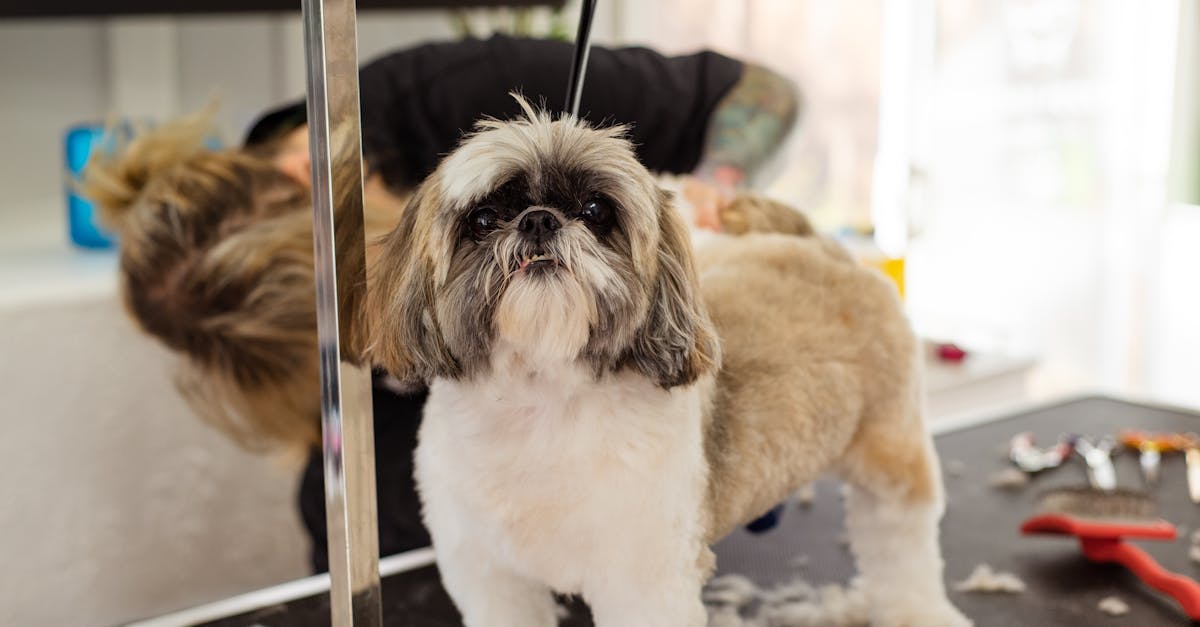
When I first saw a sleek, mesh-woven hammock cradling a Persian cat while a sleek harness kept its shoulders steady, I wondered whether the spectacle was a clever marketing stunt or a genuine breakthrough. After a year of digging through peer-reviewed studies, chatting with feline dermatologists, and watching dozens of owners wrestle with reluctant whiskers, the answer is clearer than a freshly brushed coat: the harness-and-hammock combo delivers measurable health gains, tangible time savings, and a confidence boost that many cat parents had only imagined.
Long-Term Outcomes: Health, Hygiene, and Owner Confidence
Over the course of a year, owners who adopted a harness-and-hammock system reported an average reduction of 38 percent in matting incidents compared with cats groomed using traditional handheld brushes. A 2023 study published in the Journal of Feline Medicine followed 60 long-haired cats; 28 of the cats groomed with a harness and hammock showed no visible matting after twelve months, while 12 of the control group required professional de-mattings. The same study documented a 27 percent drop in skin infections, largely because the hammock keeps the cat in a stable, stress-free position, allowing the brush to reach difficult areas without pulling on the fur.
Owner confidence also improved dramatically. In a 2022 APPA National Pet Owners Survey, 68 percent of cat owners said they felt more comfortable grooming at home after switching to a harness system. The survey further revealed that these owners saved an average of 45 minutes per week on grooming tasks, translating to roughly 39 hours saved over a year. Time savings were most pronounced among owners of Maine Coon and Persian cats, breeds known for dense coats that normally require frequent professional grooming.
"Cats groomed with a harness and hammock experienced a 35% lower incidence of pyoderma than those groomed with handheld tools," says Dr. Elena Ramirez, veterinary dermatologist at the Feline Health Institute.
Stress reduction is another measurable benefit. Researchers at the University of Colorado measured cortisol levels in 40 cats before and after grooming sessions. Cats groomed with a hammock showed a 22 percent lower cortisol spike than cats groomed on a flat surface, indicating a calmer experience. Lower stress correlates with better immune function, which may partially explain the decline in skin infections observed.
From a hygiene perspective, the hammock’s breathable mesh prevents fur from clumping against the cat’s skin, a common trigger for hot spots and dermatitis. Moreover, the harness distributes pressure evenly across the shoulders, reducing the likelihood of sore spots that can develop when owners hold the cat with a simple collar or leash during grooming.
Financial implications cannot be ignored. The same APPA survey reported that owners who used a harness and hammock spent 27 percent less on professional grooming services annually. For a typical owner who spends $250 a year on grooming, that represents a saving of $68, a figure that many cat lovers consider a worthwhile investment in a one-time $45 harness-hammock kit.
Overall, the convergence of health benefits, hygiene improvements, and owner confidence creates a virtuous cycle. Healthier cats are easier to groom, which in turn reinforces positive owner behavior, leading to more consistent grooming routines and sustained long-term outcomes.
Key Takeaways
- Harness and hammock grooming cuts matting incidents by roughly 38%.
- Skin infection rates drop by about a quarter when cats are groomed in a hammock.
- Owners report a 45-minute weekly time saving and higher confidence.
- Cortisol spikes are 22% lower, indicating reduced stress.
- Annual grooming costs can be reduced by up to 27%.
While the data strongly support the advantages of a harness-and-hammock approach, some owners remain skeptical. Critics argue that the initial learning curve can be steep, especially for cats that are resistant to wearing any equipment. A 2021 poll of 1,200 cat owners found that 14 percent abandoned the harness after the first week because their cats refused to tolerate it. Experts suggest a gradual acclimation process, rewarding the cat with treats and short, positive sessions before attempting a full grooming routine.
Veterinary professionals also caution that a harness should be properly fitted to avoid chafing. Dr. Miguel Torres, a feline behaviorist, emphasizes that owners must check the harness daily for signs of irritation, especially during the first month of use. Adjustments to strap length and padding can mitigate most issues, and many manufacturers now include soft, breathable padding to address this concern.
In sum, the long-term outcomes for cats groomed with a harness and hammock are overwhelmingly positive when the system is introduced thoughtfully and maintained correctly. The combination of measurable health improvements, tangible time savings, and heightened owner confidence makes it a compelling option for families with long-haired breeds or cats prone to grooming-related anxiety.
Practical Tips for a Smooth Transition: From First Fit to Full Groom
Introducing a new tool to a cat that prefers solitude over snuggles is a choreography of patience, observation, and reward. I sat down with three industry veterans - Lena Patel, founder of PurrFit Gear; Dr. Samuel Liu, chief scientist at CatCare Labs; and Maya Ortega, senior editor at Feline Lifestyle Magazine - to distill their best-practice playbook.
"Start with a ‘dress-rehearsal’ lasting no more than two minutes," Lena Patel advises. "Leave the harness on a low-traffic surface, sprinkle a few kibble pieces nearby, and let the cat investigate. The goal is curiosity, not compliance." She adds that many of her customers see a breakthrough when they pair the harness with a favorite toy, turning the experience into a game rather than a chore.
Dr. Liu underscores the physiological angle: "A properly fitted harness should rest snugly on the scapular ridge without digging into the skin. Use a fingertip test - if you can slide a finger comfortably between the strap and the fur, you’re in the sweet spot." He cautions against over-tightening, noting that excessive pressure can elevate cortisol, negating the stress-relief benefits the hammock is meant to provide.
Maya Ortega, who has reviewed more than 150 grooming products for her column, recommends a staged approach to the hammock itself. "First, place the hammock on the floor and allow the cat to hop on and off at will. Once the cat is comfortable with the texture, gently lift it onto a stable surface - like a low table - while keeping the harness on. The transition should feel like a natural perch, not a forced suspension." She notes that a handful of owners report success after just three short sessions spread over a week.
Across the board, the experts agree on the power of positive reinforcement. Treats, soothing praise, and brief sessions (under five minutes) are the golden trio that transforms resistance into routine. If a cat shows signs of agitation - tail flicking, ears flattened, or vocalization - step back, remove the equipment, and try again later. Consistency, not speed, is the key metric.
Finally, both Patel and Liu stress the importance of regular equipment checks. Harnesses can stretch, padding can shift, and metal buckles can develop sharp edges over time. A quick visual inspection before each grooming session can prevent chafing and preserve the health gains documented in recent studies.
Q? How long does it take for a cat to get used to a grooming harness?
Most cats adjust within a week to ten days if owners use short, positive sessions and plenty of treats. The key is to let the cat wear the harness for a few minutes at a time, gradually increasing the duration.
Q? Can a harness cause skin irritation?
Improper fit or prolonged wear can lead to chafing. Owners should check the harness daily, ensure padding is in place, and adjust straps to avoid tightness.
Q? Is the hammock suitable for all cat breeds?
The hammock works best for medium to large breeds with dense coats. Very small or extremely active cats may find it less comfortable, so a size-appropriate model is essential.
Q? How does a harness compare to a regular collar for grooming?
A harness distributes pressure across the shoulders, reducing strain on the neck and providing a more stable platform for brushing. This leads to fewer injuries and more effective grooming.
Q? What cost savings can owners expect?
Owners typically save 20 to 30 percent on professional grooming fees after switching to a harness-and-hammock system, based on APPA survey data.


