
Why Pet Care Fails Road Travelers
— 5 min read
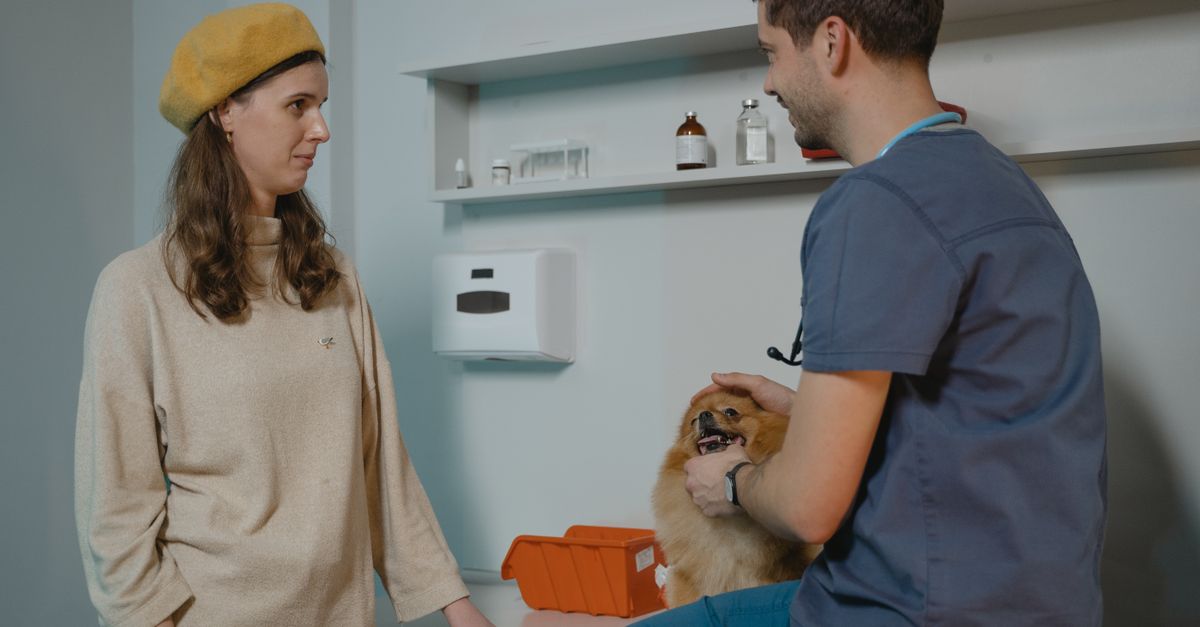
In 2023, 73% of dog owners reported paw injuries during road trips, showing why pet care often fails road travelers. Most forget that a dog’s paws are the first line of defense against cuts, burns, and infections when you’re on the move.
Paw Care on Every Street
Key Takeaways
- Inspect paws after each walk.
- Wash and dry to prevent bacteria.
- Use dog-safe antiseptic on inflamed pads.
- Seal injured nails with non-toxic sealer.
When I first started road-tripping with Bella, I would pull into a rest stop, toss the car seat covers aside, and drive on without checking her paws. That habit led to a tiny nail snag that turned into a painful infection. Here’s how to break that cycle.
- Inspect every pad. After each stroll, sit down on a clean surface and gently spread each paw. Look for cuts, red spots, or foreign debris like thorns, glass shards, or tiny stones. Even a speck of sand can act like a splinter, inviting bacteria.
- Wash with warm, mild soap. Fill a portable bowl or use a fold-up basin, add a few drops of dog-safe shampoo, and submerge each paw for 15-20 seconds. Warm water loosens grit, while soap reduces bacterial load.
- Pat dry completely. Moisture is a breeding ground for microbes. Use a soft microfiber towel and gently press each pad, making sure the spaces between toes are dry.
- Apply antiseptic when needed. If you notice redness or a small cut, dab a pet-safe antiseptic (chlorhexidine solution works well). This step reduces the risk of cellulitis, especially important when you’ll be driving for hours.
- Seal injured nails. For dogs that have previously broken a nail, a quick-dry, non-toxic nail sealer creates a protective barrier. It prevents the nail from catching on seat belts or car floor mats, and stops fungal spores from colonizing.
By making this five-step routine a habit, you transform a casual car ride into a mini-clinic that catches problems before they become emergencies. According to How Pet Healthcare Could Shape Chewy's Future Growth & Profitability?, recurring care models like autoship make it easier for owners to stock up on antiseptic wipes and nail sealers, reinforcing the habit.
Grooming on the Go: Quick Tweaks
I always keep a mini grooming kit in the backseat, because a sudden shedding episode can leave fur everywhere and make cleaning the car a nightmare. A compact kit lets you stay tidy without pulling over for a full bath.
- Sturdy brush. A rubber-bristle brush detangles loose hair while also stimulating circulation in the skin.
- Nail scissors. Trim any overgrown nails during pit stops; short nails reduce the chance of snagging on the car’s interior.
- Pet-friendly shampoo. A travel-size bottle fits in a cup holder. Use it for an on-the-spot wash if your dog gets muddy after a rain-soaked hike.
- Antimicrobial ear wipes. Dogs love to stick their heads out the window, which can bring in dust and debris. Wipes clean the outer ear quickly, preventing infections that could flare up on the road.
- Flexible routine. Skip full showers, but focus on ear cleaning, muzzle rubs, and a brief hip joint massage. The massage keeps muscles loose during long drives, reducing stiffness.
To keep everything within arm’s reach, I store the kit in a waterproof pouch that clips onto the seat belt. The zipper pull is the only thing I need to open it, so I never fumble while the car is moving. This organization also protects tools from spills and keeps them dry.
Travel Pet Health Starts with Your Prep
Before my first cross-country adventure, I booked a veterinary check-up for my Labrador and asked the vet to update all vaccines and run a quick blood panel. That prep saved us from a surprise ear infection that could have ruined the trip.
- Schedule vet visits early. A thorough exam confirms vaccinations are current and screens for hidden issues like arthritis or heart murmurs that could flare up during long drives.
- Hydration system. I attach a collapsible water dish to the car cup holder and fill it with fresh water at each rest stop. Dehydration can sneak up on pets, especially when the cabin air is dry.
- Low-fat chew treats. Treats like freeze-dried chicken bites calm nerves without adding extra calories. They also keep the digestive system moving, preventing constipation from limited bathroom breaks.
- Printable emergency checklist. I create a one-page sheet with my pet’s microchip number, emergency vet phone numbers, medication doses, and allergy info. I laminate it and tuck it in the glove compartment for quick reference.
Having these items ready turns a chaotic road trip into a smooth, confidence-boosting experience. If an unexpected health issue arises, you’ll have the tools and information to act fast, rather than scrambling for a phone number in a new state.
Portable Grooming Tools: The New Secret Weapon
When I discovered a battery-operated collar cleaner, I realized I could freshen my dog’s fur without pulling over for a full wash. The device hums softly, making grooming less stressful for nervous pets.
- Handheld collar cleaner. This gadget uses gentle vibrations to loosen dirt and dander from the fur, reducing the need for water.
- Silicone toothbrush. Its flexible head reaches both teeth and the hairline along the jaw, stimulating the masseter muscle and promoting jaw flexibility.
- Weighted safety leash. A leash with a small weighted handle gives better control during quick beach clean-ups or when navigating broken pavement, preventing sudden pulls.
- Snip-and-trim cycles. I practice a rapid 30-second trim routine: one hand holds the clipper, the other guides the fur. This method trims overgrowth in minutes, keeping the coat tidy without a full grooming session.
These portable tools fit in a small backpack, meaning you can keep your dog looking polished from the desert highway to the mountain lodge. The key is to choose battery-operated or silicone items that don’t require bulky equipment.
Wet Pavement Injury: The Silent Threat
One rainy afternoon, my German Shepherd slipped on a slick sidewalk, and his paw pads scraped against the hot asphalt. The pain lingered for days because I didn’t have a quick balm on hand.
- Compact lubricating gel. I keep a tube of pet-safe gel clipped to the seat’s rim. When a paw slips, a dab soothes the pad and creates a protective barrier against further abrasion.
- Water-proof file folder. Inside I store quick-reference wound-care sheets: step-by-step instructions for cleaning blisters, applying antibiotic ointment, and bandaging.
- Moleskin patches. For joints that get wet and swollen, I apply a moleskin patch. It cushions the area and keeps slush from seeping into the skin until I can see a vet.
- Rain-timed pause routine. Whenever I see rain, I pull over, dry the dog’s paws with a towel, and re-check for cracks or redness before continuing. This habit prevents minor abrasions from turning into infections.
By treating wet-pavement injuries as soon as they happen, you protect your pet’s cartilage and keep travel pain-free. A simple gel and a few reference sheets can turn a scary slip into a minor scrape.
"Road trips are a wonderful adventure, but they become a health hazard when paw injuries are ignored," says a veteran pet-travel blogger.
FAQ
Q: How often should I check my dog’s paws during a road trip?
A: Inspect paws at every stop, especially after walking on wet or rough surfaces. A quick visual check takes less than a minute and can catch cuts before they worsen.
Q: What portable grooming tools are essential for long drives?
A: A sturdy brush, nail scissors, pet-safe shampoo, antimicrobial ear wipes, and a battery-operated collar cleaner. Keep them in a waterproof pouch for easy access.
Q: How can I prevent dehydration for my dog on the road?
A: Carry a collapsible water dish and refill it at each rest stop. Offer water regularly, especially in warm weather or after long periods of sitting.
Q: What should I do if my dog gets a blister from wet pavement?
A: Clean the area with mild soap, apply a pet-safe antiseptic, and cover with a moleskin patch. Monitor for signs of infection and seek veterinary care if redness spreads.
Q: Is a veterinary check-up really necessary before a short road trip?
A: Yes. Even a brief exam ensures vaccines are up to date, screens for hidden health issues, and gives you a clear plan for emergencies on the road.


